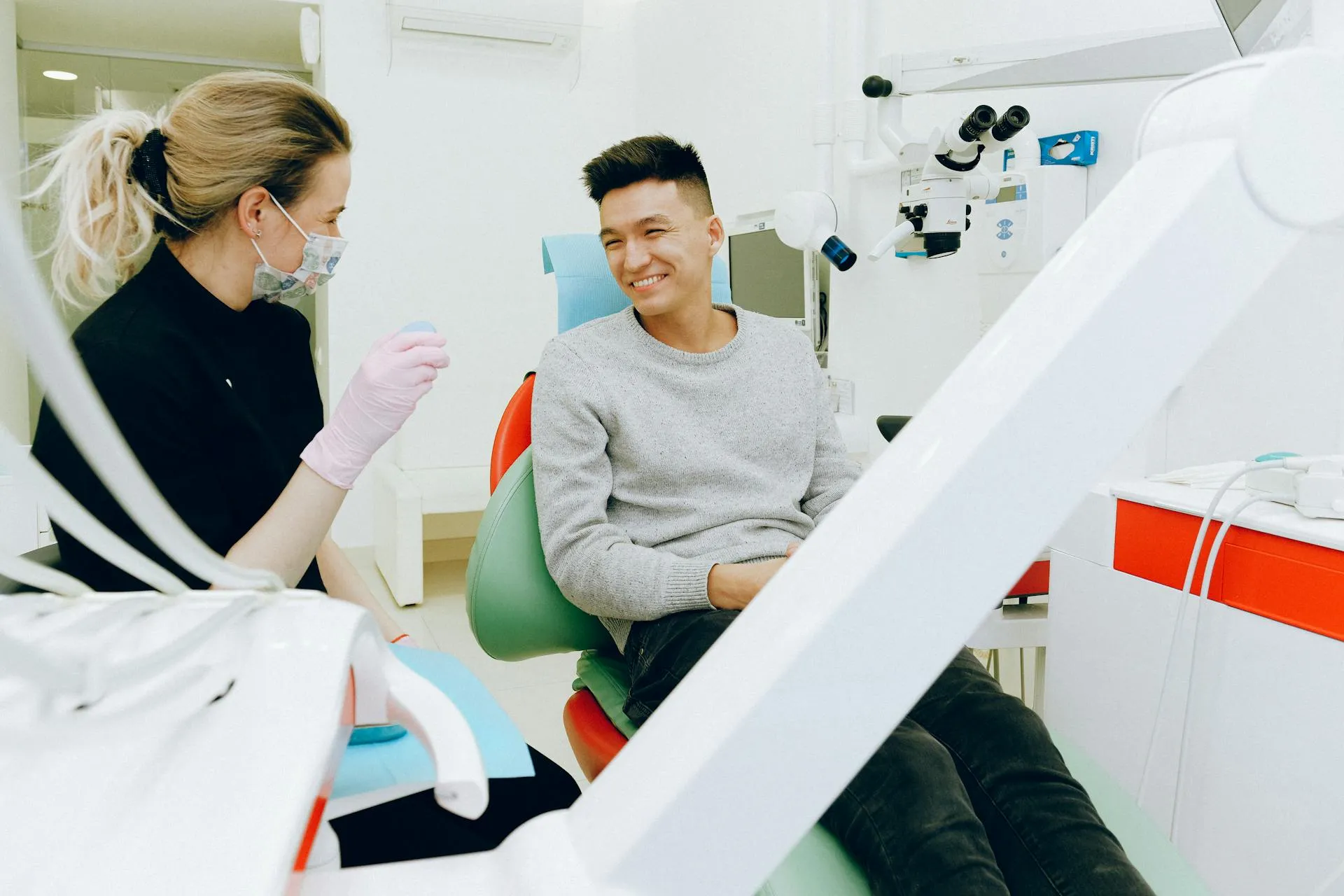
Understanding the Orthodontic Process
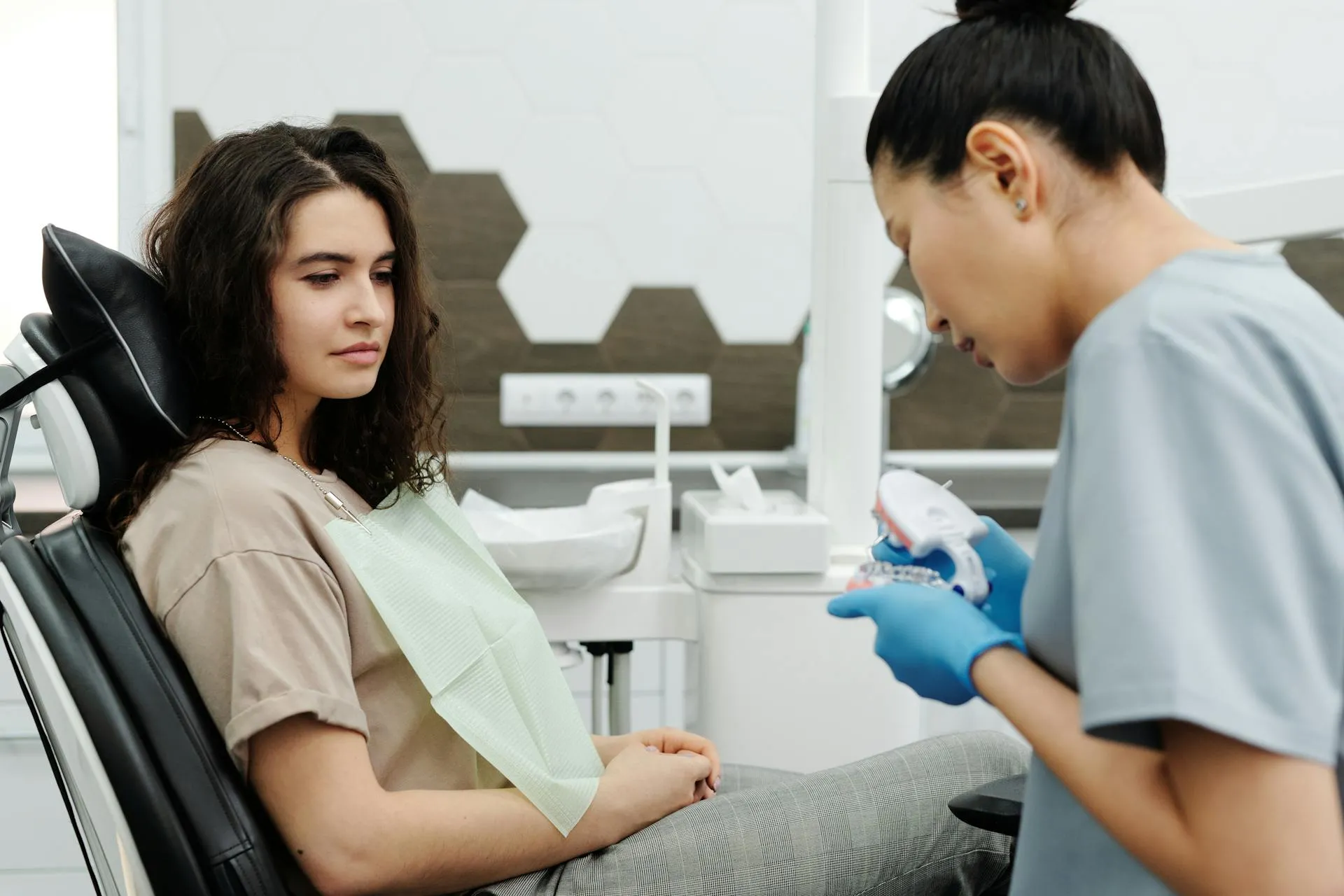
The orthodontic process involves several key steps that are essential for achieving a beautiful and functional smile. Initially, a thorough consultation is conducted to assess the patient's dental health, discuss treatment options, and establish a personalized plan. This may include diagnostic imaging and impressions to ensure precise alignment of teeth.
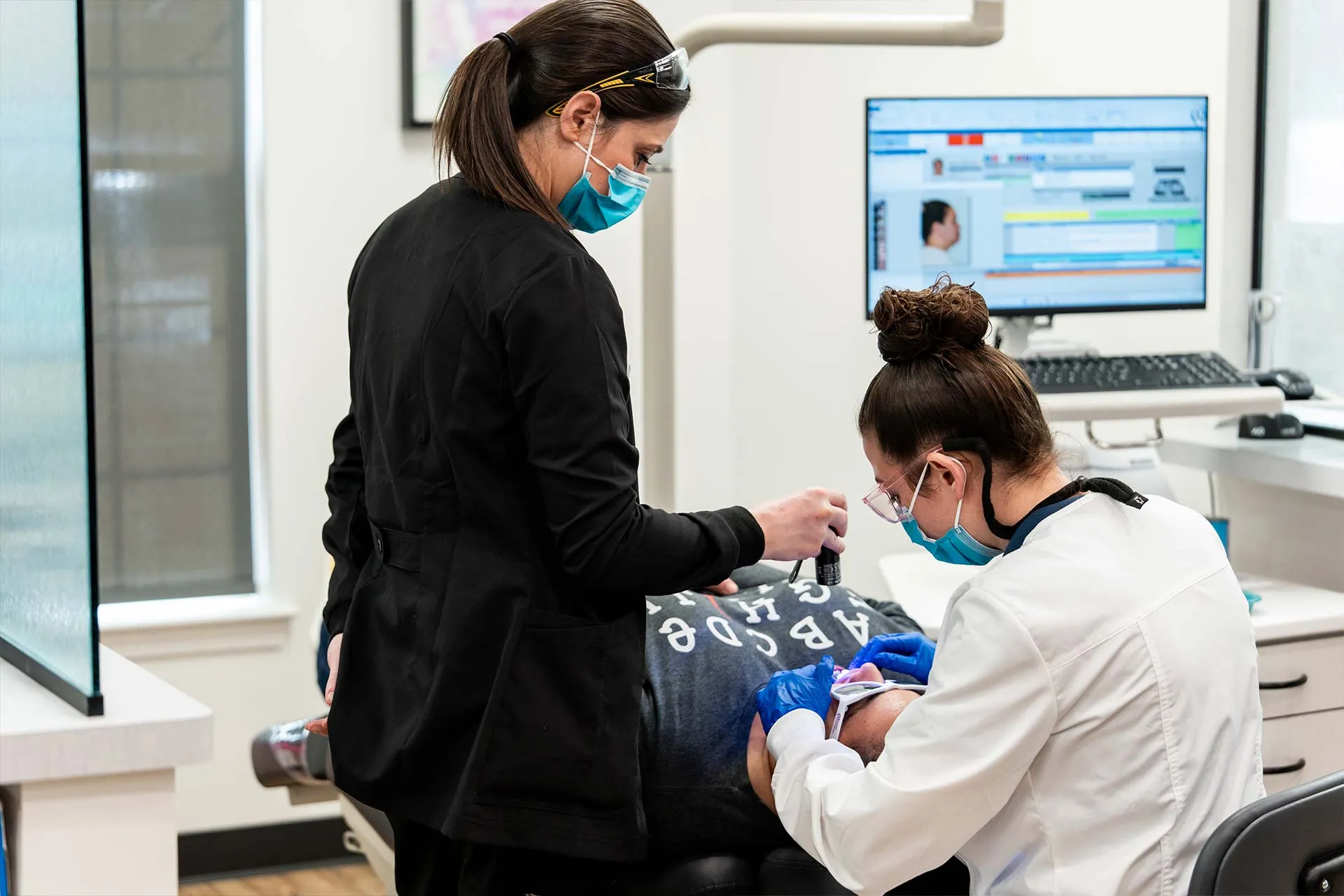
Throughout the treatment, regular visits are scheduled to monitor progress and make necessary adjustments. Patients are educated on the importance of maintaining good oral hygiene and following care instructions to achieve optimal results. This structured process not only enhances the aesthetic appeal of smiles but also improves overall oral health.
Common Orthodontic Myths Debunked
There are numerous myths surrounding orthodontic treatment that can lead to misunderstandings and hesitations among potential patients. One common myth is that braces are only for children and teenagers; however, adults can also benefit greatly from orthodontic care to correct alignment issues and enhance their smile.
Another prevalent myth is that orthodontic treatment is excessively painful. While some discomfort may occur during adjustments, modern techniques and appliances are designed to minimize pain and improve comfort. Understanding these myths can empower patients to make informed decisions about their orthodontic journey.
Choosing Between Braces and Invisalign
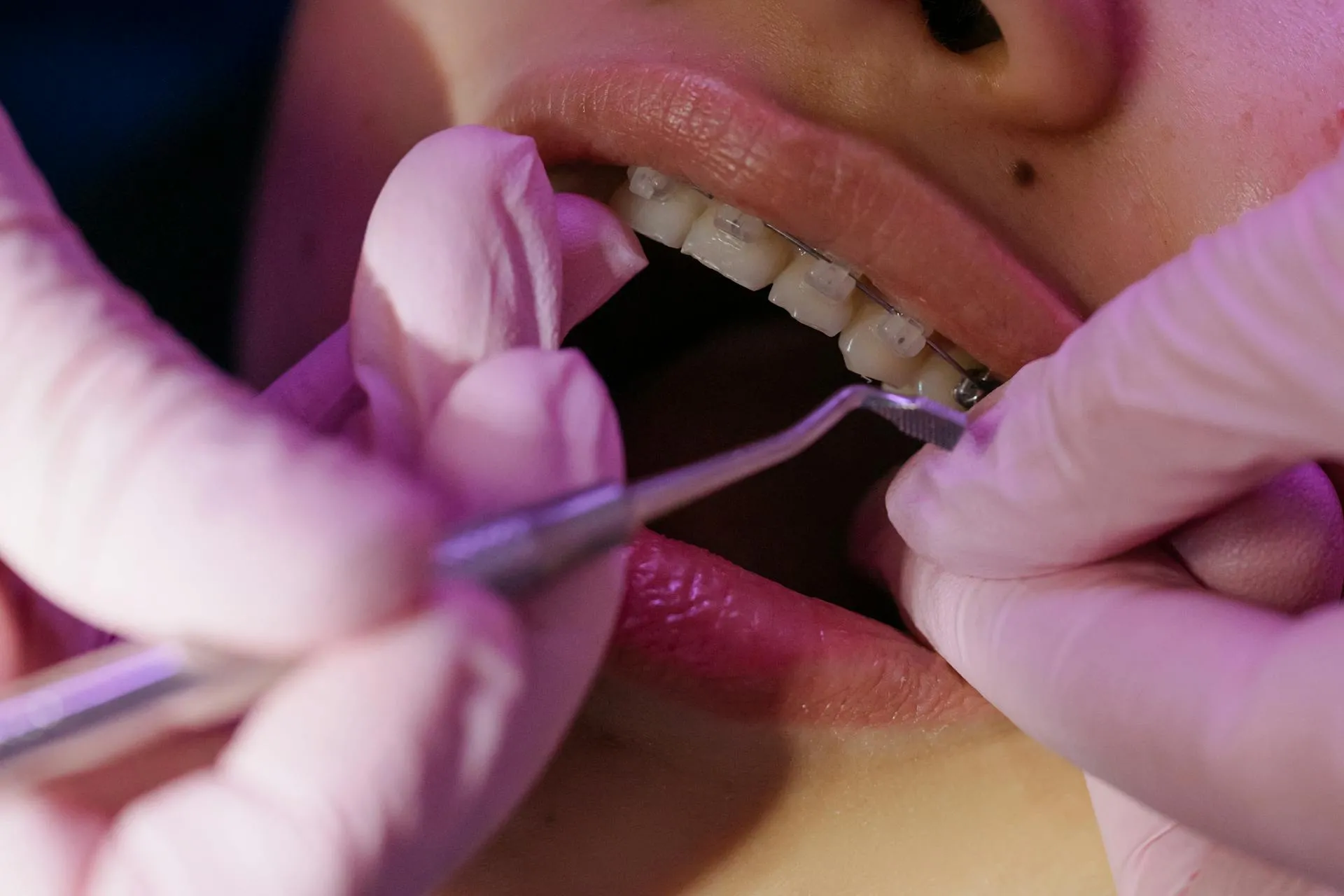
When considering orthodontic treatment, one of the most significant decisions is whether to opt for traditional braces or Invisalign. Braces are often recommended for complex cases that require significant tooth movement, while Invisalign is ideal for patients seeking a more discreet option for milder alignment issues.
Both options have their advantages; braces are fixed and can be more effective for certain conditions, while Invisalign offers the convenience of removable trays. Consulting with an orthodontist can help patients determine the best choice based on their specific needs and lifestyle preferences.
Maintaining Oral Health During Orthodontic Treatment
Maintaining oral health during orthodontic treatment is crucial for achieving the best results and preventing complications. Patients are advised to follow a strict oral hygiene regimen, including regular brushing and flossing, to keep their teeth and gums healthy while wearing braces or aligners.
Additionally, avoiding certain foods that can damage appliances, such as sticky candies and hard snacks, is essential. Regular check-ups with the orthodontist can also help monitor oral health and address any issues that may arise during treatment, ensuring a smooth orthodontic experience.