
Understanding the Different Types of Braces
When considering orthodontic treatment, it's essential to understand the various types of braces available. Traditional metal braces, ceramic braces, and lingual braces each have unique features that cater to different patient needs and preferences.
Metal braces are the most common and are known for their durability and effectiveness. Ceramic braces offer a more aesthetic option, blending in with the natural color of teeth, while lingual braces are placed on the back of the teeth for a completely hidden treatment. Each type has its advantages, and consulting with an orthodontist can help determine the best fit for your lifestyle.
Tips for Maintaining Oral Hygiene with Braces
Maintaining proper oral hygiene is crucial for patients with braces to prevent cavities, gum disease, and other dental issues. Special care is needed to clean around brackets and wires effectively.
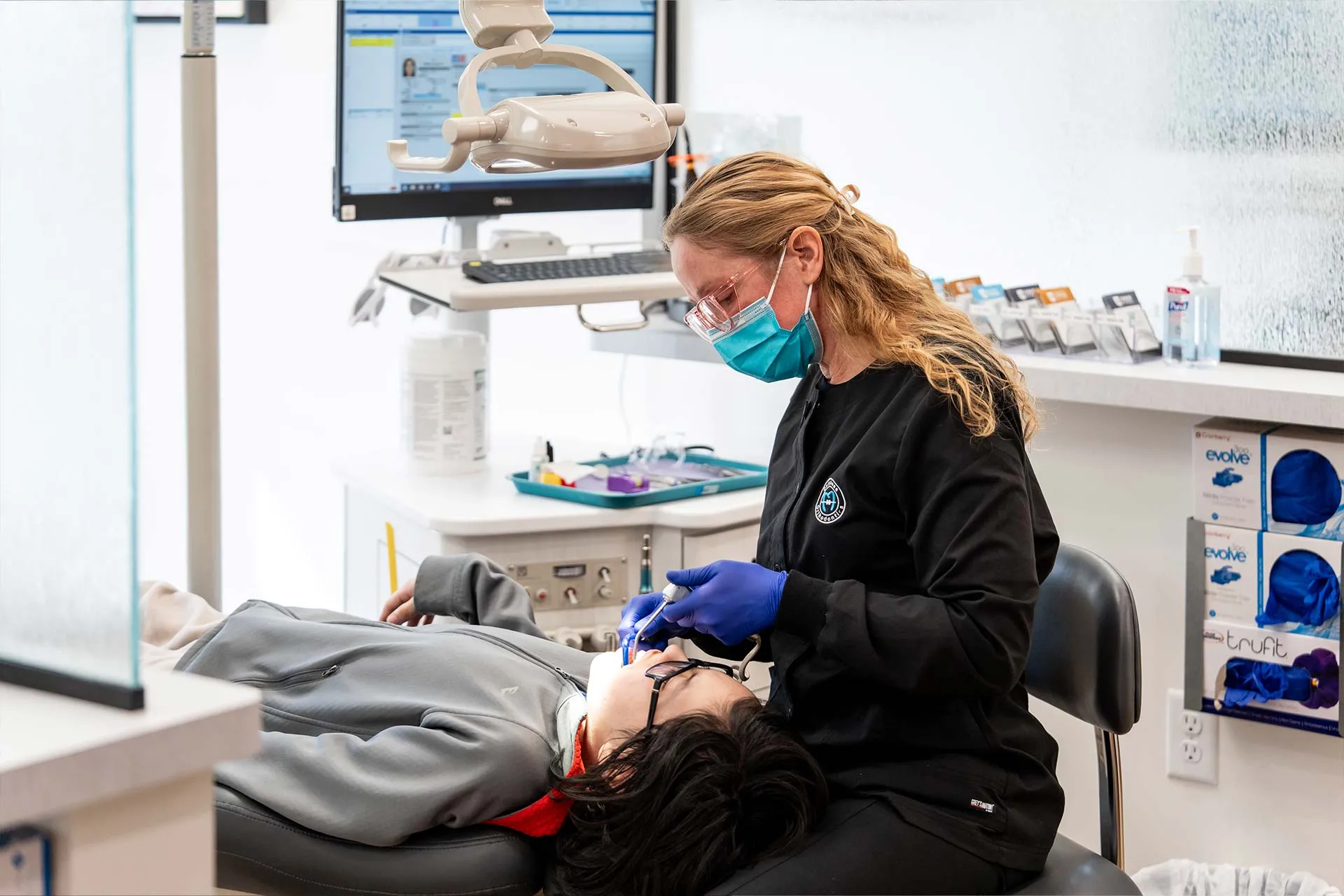
Using an orthodontic toothbrush, floss threaders, and fluoride mouthwash can significantly improve oral hygiene. Additionally, regular visits to the orthodontist for adjustments and cleanings are essential to ensure that your treatment progresses smoothly and your smile remains healthy throughout the process.
The Role of Retainers After Orthodontic Treatment
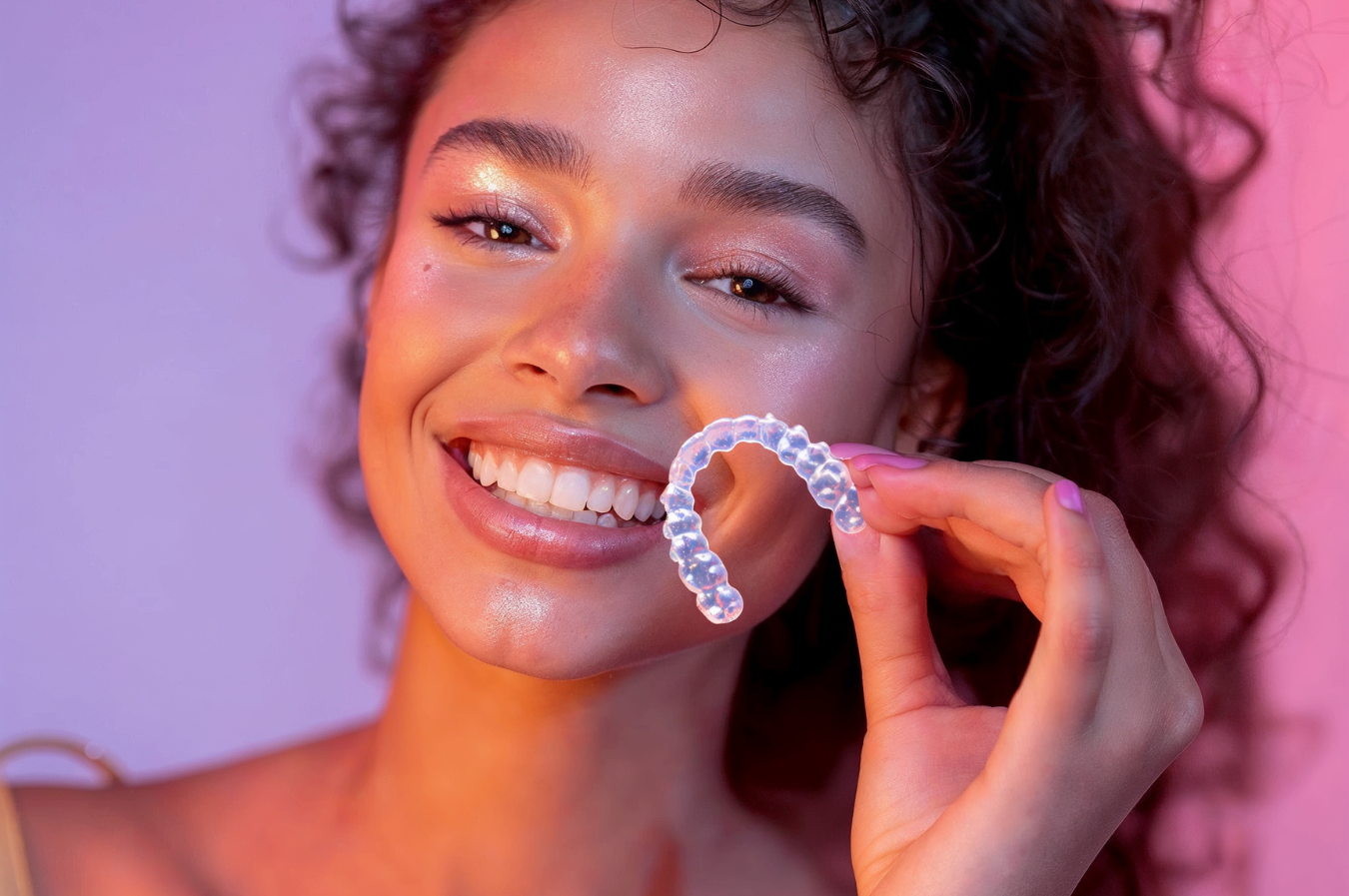
After completing orthodontic treatment, wearing retainers is vital to maintain the new position of your teeth. Retainers help prevent teeth from shifting back to their original positions, ensuring the longevity of your treatment results.
There are different types of retainers, including fixed and removable options. It's important to follow your orthodontist's instructions regarding how long and when to wear your retainer to achieve the best long-term results for your smile.
Common Myths About Orthodontic Treatment
Many misconceptions surround orthodontic treatment, which can lead to confusion or hesitation in seeking care. One common myth is that braces are only for children and teenagers, while in reality, adults can also benefit significantly from orthodontics.
Another myth is that orthodontic treatment is purely cosmetic. In truth, braces and other orthodontic solutions can address functional issues, such as bite problems and jaw alignment. Understanding these myths can help patients make informed decisions about their oral health.